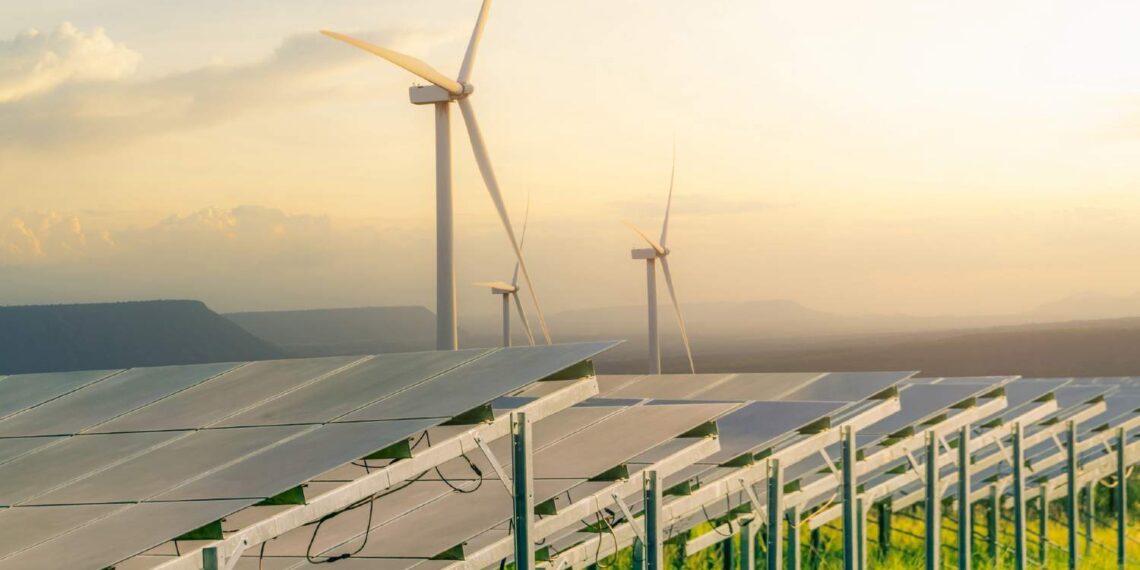
Africa’s ambitious shift toward 100% renewable energy is at risk due to high tariffs on clean technologies and persistent trade barriers, despite a decade-long drop in global solar and wind prices. According to a new report by the United Nations Conference on Trade and Development (UNCTAD), these barriers could slow the continent’s transition to low-carbon energy, threatening economic and job growth tied to green energy development.
UNCTAD highlights that the global cost of electricity from new solar projects has fallen by 41% since 2010, while onshore wind power is now 53% cheaper than fossil-fuel generation. These price reductions should ideally accelerate clean-energy adoption worldwide. However, high import tariffs in Africa—averaging 7.1% for solar and wind components, rising to 7.6% when non-tariff measures are included—are creating obstacles that could prevent widespread deployment of renewable technologies.
The agency stresses that trade is a powerful, yet underused, tool for climate action. Lowering tariffs on low-carbon goods could help governments meet climate commitments, stimulate job creation, support industrial diversification, and expand energy access across the continent. UNCTAD argues that such reforms would align with the Paris Agreement’s goals, which require countries to update their Nationally Determined Contributions (NDCs) every five years.
For Africa, the stakes are particularly high. Without affordable access to solar panels, wind turbines, and other green technologies, the continent risks missing opportunities to provide energy for all, support sustainable development, and adapt to accelerating climate impacts. UNCTAD estimates that Africa could create 5.4 million jobs by 2050 through a fully renewable energy transition, but high tariffs may undermine these prospects.

Experts in Nigeria have urged the government to enhance policy incentives and invest in large-scale solar installations, noting a potential $2.5 billion carbon market opportunity. President Bola Tinubu recently signaled stronger climate finance ambitions by approving the National Carbon Market Framework, operationalizing the Climate Change Fund, and restoring the National Council on Climate Change to the federal budget line—moves aimed at driving the nation toward a greener future.a
source: nairametrics