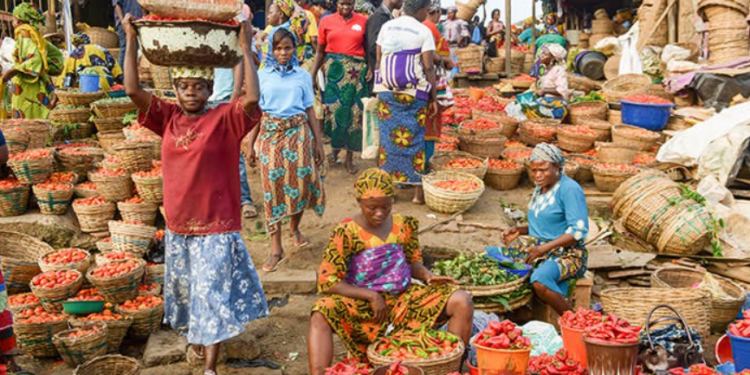
Nigeria’s headline inflation is set to fall for the seventh consecutive month in October 2025, with projections ranging between 16.20% and 17.76%, down from September’s 18.02%, according to the National Bureau of Statistics (NBS). Experts attribute the expected decline primarily to easing food prices, improved foreign exchange conditions, and stable supply across major commodities.
Despite these gains, persistent domestic cost pressures, particularly from rising energy and transport prices, are likely to slow the pace of disinflation. Analysts warn that while headline inflation may drop, households could still feel the pinch in fuel and utility costs.
Samuel Oyekanmi, Research and Insights lead at Norrenberger Financial Group, emphasized that moderation in food prices is the main driver of the trend. “Even with favorable food inflation, higher costs for LPG and petrol could limit how quickly prices ease,” he noted. Oyekanmi added that the softer inflation outlook could support another Monetary Policy Rate (MPR) cut at the next Monetary Policy Committee (MPC) meeting.
Other experts, including Abdulsalam Ayoade of Arthur Steven Asset Management, highlighted that improved FX stability, particularly the naira trading below N1,480/$, has helped contain imported inflation. Portfolio Manager Bolujoko Mayowa of CFG Africa further explained that peak harvest supplies and better local production contributed to easing food prices, though temporary petrol scarcity and rising gas costs may continue to exert upward pressure.

Overall, analysts remain cautiously optimistic. October’s inflation reading will test whether Nigeria is entering a more stable pricing environment or merely experiencing seasonal and base effects. While improved food supply and FX conditions are promising, energy and transport challenges underscore the need for continued vigilance by policymakers as households navigate cost pressures.
source: Nairametrics