

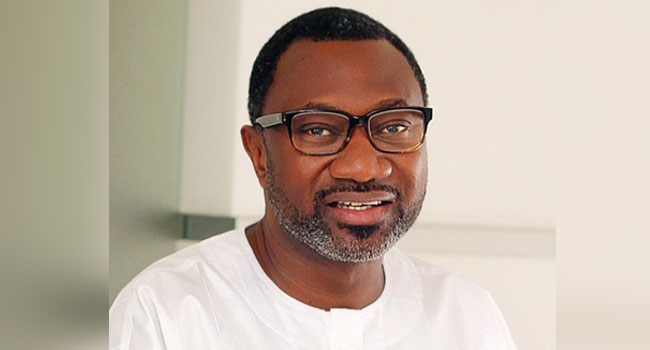
Billionaire businessman Femi Otedola has praised President Bola Tinubu’s recent move to impose a 15 per cent import tariff on petrol and diesel, describing it as a strategic policy to protect investments in Nigeria’s refining and energy sector. Otedola, in a post on X, called the initiative “a crucial move” that safeguards domestic industries from being undercut by cheaper imports.
Otedola argued that the policy is a step toward preventing Nigeria from repeating historical mistakes, where unchecked imports of low-cost and often substandard goods had destroyed thriving sectors, including textiles, local vehicle assembly, and manufacturing. “We cannot afford to allow history to repeat itself within the energy sector, especially now that Nigeria has the capacity to meet its petrol and diesel needs locally,” he wrote.
The billionaire also highlighted the economic benefits of the tariff, noting that it would provide certainty for investors and contribute to long-term price stability in Nigeria’s energy market. According to Otedola, a stable pricing framework would not only support local refineries but also help control inflation and foster sustainable economic growth.
Otedola further commended Tinubu’s economic vision, stating that the President’s focus on empowering local producers and promoting value addition is vital for Nigeria’s ambition to reach a $1 trillion economy. He emphasized that such policy-driven economic strategies reflect the kind of visionary leadership needed to transform Nigeria’s industrial and energy sectors.

The tariff, officially approved by Tinubu and communicated to the Federal Inland Revenue Service and the Nigerian Midstream and Downstream Petroleum Regulatory Authority, is part of a “market-responsive import tariff framework.” The President’s Special Adviser on Media, Sunday Dare, described the initiative as “a bridge, not a burden,” aimed at ending Nigeria’s dependence on imported fuel and accelerating the country’s journey toward energy self-sufficiency.
Source: punch