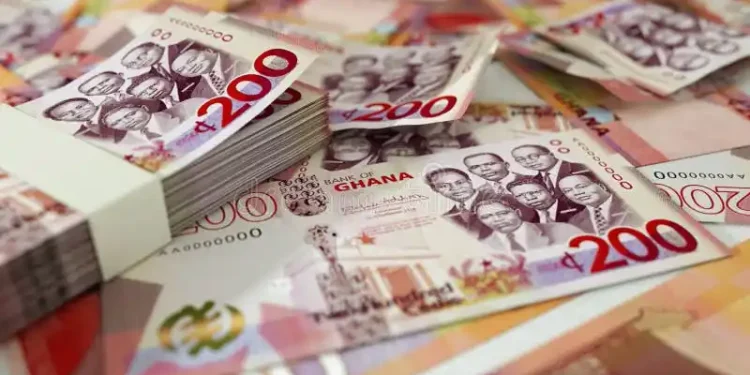
The International Monetary Fund (IMF) has credited the remarkable stability of the Ghanaian cedi as a major factor behind the country’s sharp drop in inflation this year. After a turbulent 2024 marked by steep depreciation and rising prices, the cedi’s steady performance in 2025 has restored market confidence and curbed inflationary pressures across the economy.
According to IMF data, the cedi appreciated by 37 percent against the US dollar as of October 17, 2025 — a significant turnaround from last year’s volatility. The Fund reported that this appreciation, coupled with tighter monetary policy and improved fiscal discipline, helped inflation fall from 24 percent in 2024 to 9.4 percent in September 2025, marking the lowest level in four years.
Speaking on Channel One TV’s Point of View, the IMF Resident Representative to Ghana, Dr. Adrian Alter, highlighted that exchange rate movements remain one of the strongest determinants of inflation across African economies. “In Africa, the exchange rate plays a major role in determining inflation. A 100 percent depreciation can lead to about 20 percent inflation from imported goods,” he explained, noting that Ghana’s case perfectly illustrates this relationship.
Dr. Alter further noted that while Ghana’s 2024 inflation spike was driven by a weakening currency and drought-related food shortages, the story has changed in 2025. “The cedi’s appreciation this year has reversed last year’s inflationary trend,” he said, stressing the importance of exchange rate management in achieving price stability.

The World Bank has also named the Ghanaian cedi the best-performing currency in Sub-Saharan Africa for the first eight months of 2025. The IMF emphasized that sustained fiscal discipline, effective monetary tightening, and forex reforms have anchored inflation expectations, boosted investor confidence, and laid the groundwork for a stronger macroeconomic recovery heading into 2026.
source: citi newsroom