Artificial intelligence (AI) has become a cornerstone of modern technology, enabling machines to mimic human intelligence through learning, problem-solving, and decision-making. While AI may feel like a contemporary breakthrough, its roots stretch back decades, inspired by humanity’s fascination with replicating the human mind. Early ideas emerged from ancient myths about mechanical beings, but it wasn’t until the mid-20th century that AI became a scientific pursuit, highlighted by Alan Turing’s 1950 paper proposing the Turing Test to measure machine intelligence. By the 1950s, computing advances led to the first AI programs, and in 1956, researchers, including John McCarthy officially coined the term “artificial intelligence” at Dartmouth College.
The journey of AI has been marked by both optimism and setbacks. Early experiments in the 1960s and 1970s, such as MIT’s ELIZA program, demonstrated that computers could simulate human conversation, albeit in a rudimentary form. Limitations in computing power and data availability triggered periods of reduced funding, famously known as “AI winters.” The 1980s saw renewed interest in expert systems like Stanford’s MYCIN, which could diagnose medical conditions using programmed rules. These early breakthroughs laid the groundwork for AI, even as they revealed the technology’s limitations in adapting to new problems.
A major turning point came in the late 1990s with the rise of machine learning. Unlike rule-based systems, machine learning allowed AI to analyze data, detect patterns, and improve performance through experience. IBM’s Deep Blue defeating world chess champion Garry Kasparov in 1997 exemplified AI’s growing capabilities. The early 2000s introduced deep learning, enabling neural networks to process complex data such as images, text, and speech. Today, deep learning powers everyday technologies, from digital assistants like Siri and Alexa to facial recognition, self-driving cars, and medical diagnostics.
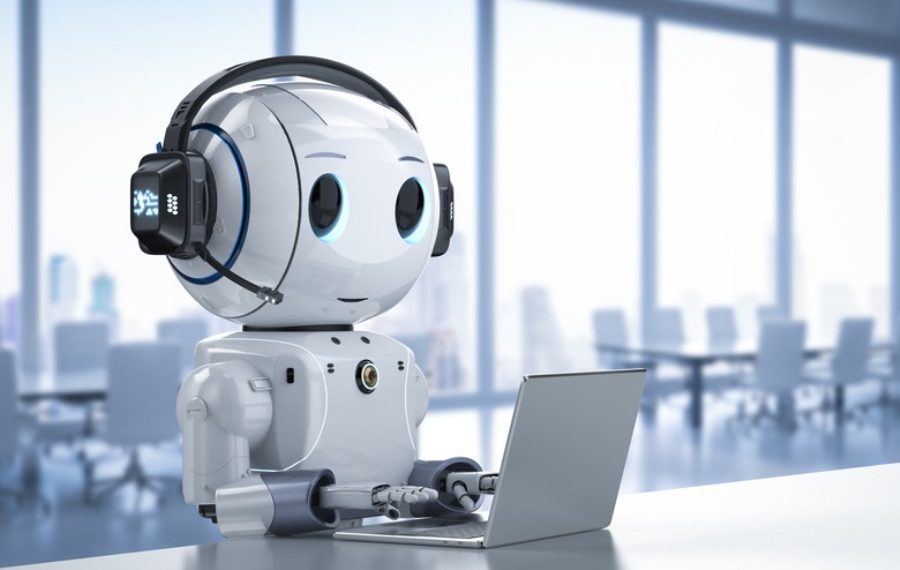
AI’s integration into society extends beyond technology labs. Artificial intelligence receptionists, for example, combine natural language processing and machine learning to manage scheduling, answer inquiries, and interact naturally with customers. Businesses leverage these systems to improve efficiency, reduce wait times, and deliver 24/7 support. In broader society, AI shapes healthcare, finance, education, and entertainment, while also sparking conversations about ethics, privacy, and the future of work. Responsible innovation is critical as governments and organizations develop regulations to ensure AI benefits society while mitigating potential risks.

Looking forward, AI promises to redefine human-machine collaboration. Generative AI now creates art, music, and text, while smart environments, wearable technology, and personalized digital ecosystems increasingly integrate AI into daily life. Automation continues to transform workplaces, raising questions about reskilling and job displacement. From intelligent assistants to advanced medical tools, AI augments human capabilities, enhancing productivity and innovation. Ultimately, AI represents a remarkable achievement: machines that learn, adapt, and extend the brilliance of human thought, reshaping how we live, work, and interact with the world.
source: techeconomy