Nigeria’s cryptocurrency market has witnessed explosive growth, with more than $50 billion worth of digital asset transactions conducted between July 2023 and June 2024, according to the Securities and Exchange Commission (SEC). The regulatory body says this surge underscores the growing sophistication and risk appetite of Nigerian investors, many of whom are turning away from traditional investment channels.
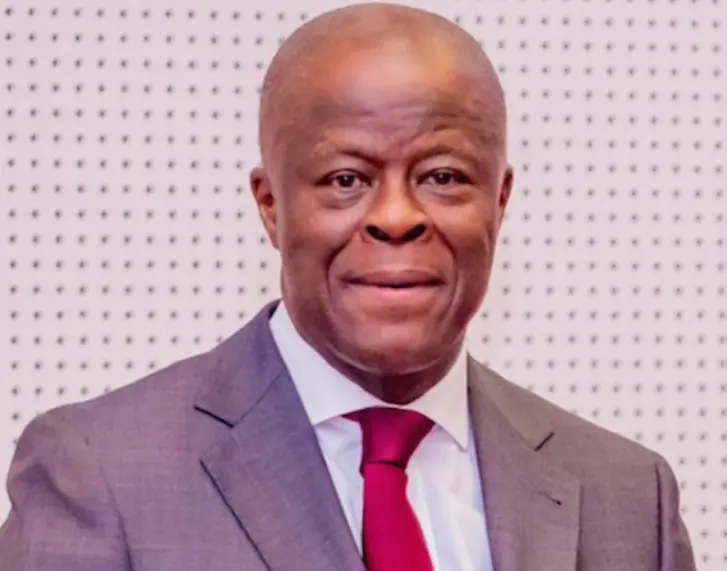
Speaking at the annual conference of the Chartered Institute of Stockbrokers, SEC Director-General Dr. Emomotimi Agama noted that despite this digital boom, fewer than four percent of Nigeria’s adult population participate in the capital market. He described this gap as “troubling,” highlighting that while only about three million Nigerians invest in the capital market, over 60 million engage in gambling activities daily, spending roughly $5.5 million each day. “The risk appetite clearly exists,” Agama said, “but the trust and access to productive investment remain limited.”
Agama compared Nigeria’s market capitalization-to-GDP ratio of 30 percent to South Africa’s 320 percent, Malaysia’s 123 percent, and India’s 92 percent — pointing to the urgent need to rebuild investor confidence and deepen financial inclusion. He also reflected on the Capital Market Master Plan (CMMP) 2015–2025, a decade-long blueprint to transform Nigeria’s capital market into a hub for long-term financing and enterprise growth. According to him, less than half of the 108 initiatives outlined under the CMMP have been fully implemented due to weak institutional alignment and limited stakeholder ownership.
Despite partial success with innovations like Green Bonds, Sukuk, and fintech integration, Agama said the market’s liquidity remains concentrated in a few large-cap stocks such as Airtel Africa, Dangote Cement, and MTN Nigeria. He identified six key challenges that must define the next reform phase: low retail participation, market concentration, declining foreign inflows, underutilized pension funds, untapped diaspora capital, and Nigeria’s widening $150 billion infrastructure deficit.

Calling for a “reimagined SEC”, Agama emphasized the need for a regulator that acts not just as a watchdog but as a catalyst for private-sector-led growth. He urged policymakers and investors to rebuild trust, transparency, and inclusion within the financial system. “Vision without execution is inertia — and reform without measurement is aspiration without accountability,” he declared.
source: The nation