Ghana’s cedi has made an impressive comeback in October 2025, reclaiming lost ground and restoring investor confidence after months of volatility. The local currency, which struggled through the third quarter, has now rebounded sharply—signaling renewed optimism in Ghana’s economy and financial reforms.
According to fresh data from Bloomberg and the World Bank, the cedi weakened by around 14% during Q3 2025, reducing its earlier record appreciation of 40% by the end of July to just 21% by September. However, recent figures from commercial banks reveal a remarkable turnaround, showing a 37% year-to-date gain, with roughly 16% appreciation in the first half of October alone.
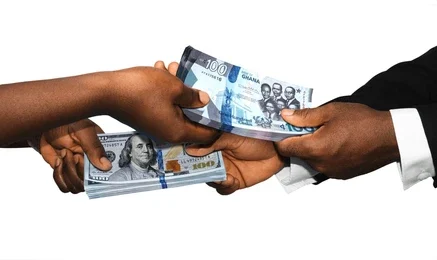
Between October 13 and 17, the cedi gained 9.5% against the U.S. dollar—its strongest weekly performance in years. Market watchers credit this surge to the Bank of Ghana’s (BoG) revamped forex management strategy, which replaced weekly forex auctions with spot sales to commercial banks. The shift has improved market efficiency, enhanced dollar liquidity, and strengthened confidence among traders and investors alike.
Analysts also point to the BoG’s firm monetary policy, fiscal discipline, and increased export earnings as key pillars behind the currency’s rally. The central bank’s decision to slow down direct dollar interventions suggests growing confidence in the cedi’s stability and the effectiveness of its recent reforms. As of mid-October, the U.S. dollar traded around GH¢10.95 at commercial banks, while rates at forex bureaus ranged between GH¢12.00 and GH¢12.40, reflecting a narrowing spread and improved market calm.

Economists believe that if Ghana maintains its current policy direction, the cedi could sustain its resilience through the end of the year. With stronger investor inflows, better forex liquidity, and consistent reforms, Ghana’s currency recovery story might stand as one of Africa’s biggest economic turnarounds in 2025.
source: citi newsroom