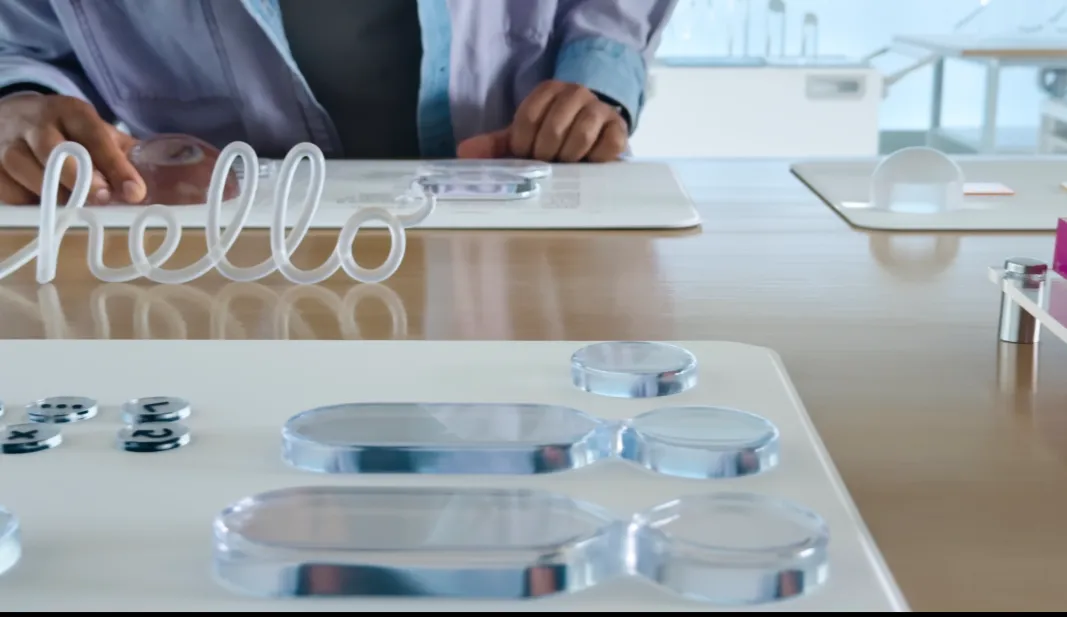
Apple is giving users more control over its new Liquid Glass design with a “tinted” option, allowing a more opaque interface for easier visibility. The feature, included in the latest beta updates for iOS 26.1, iPadOS 26.1, and macOS 26.1, gives users the choice to display Liquid Glass as either Clear or Tinted. This move comes after user feedback highlighted the need for a more readable interface in certain apps and system menus.
The Liquid Glass interface, which debuted with iOS 26, macOS 26, and iPadOS 26, represents Apple’s biggest design overhaul since 2013. While many users appreciate its modern look and attention to detail, some found it challenging to read notifications, navigation elements, or app controls. By offering a Tinted option, Apple allows those users to enjoy the update without sacrificing usability.
This is not the first time Apple has responded to user feedback with fallback options. In 2021, after moving Safari’s address bar to the bottom of the screen, the company allowed users to revert it to the top following criticism. Now, the company is taking a similar approach with Liquid Glass, showing a willingness to balance design innovation with user preferences.
The new setting is accessible in the “Display & Brightness” menu on iPhones and iPads, and under “Appearance” in System Settings on Macs. The Tinted option increases opacity, making interface elements like notifications, Now Playing controls, and app menus easier to see. While some users requested a more precise opacity slider, Apple opted for a simpler toggle with two options: Clear and Tinted.

For developers, the update ensures that user preferences for Liquid Glass are automatically applied in apps, both from Apple and third parties. The feature is currently available in the developer beta, with a public beta expected to roll out soon ahead of the wider public release. This update underscores Apple’s approach to iterative design, giving users more personalization without compromising the aesthetic of its signature interface.
source: Techcrunch