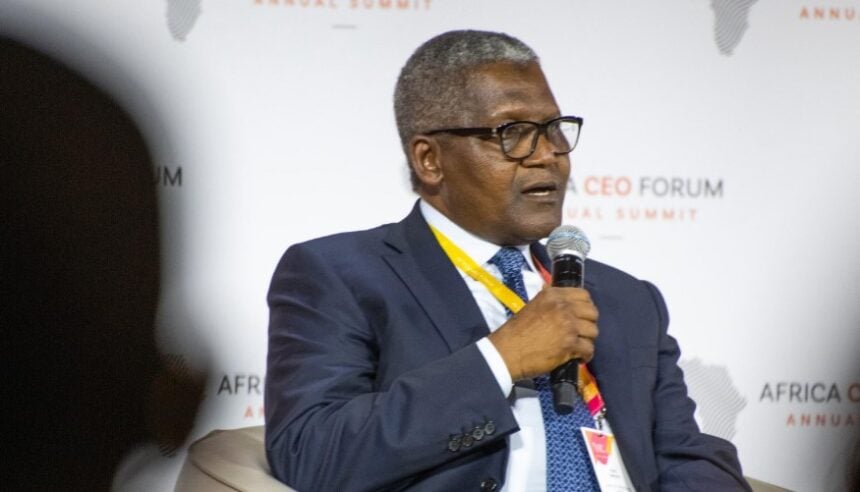
Africa’s richest man, Aliko Dangote, has cautioned that persistent accusations of monopoly in Nigeria’s petroleum sector could discourage local investors and slow down economic growth. Speaking at the Inaugural Annual Downstream Petroleum Week in Abuja, Dangote—represented by the Group Chief Strategy Officer of Dangote Industries Limited, Aliyu Suleiman—urged stakeholders to focus on building industries that promote productivity, innovation, and healthy competition instead of using monopoly claims to undermine progress.
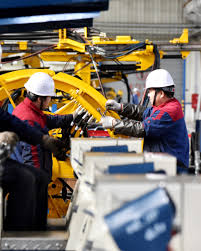
Dangote emphasized that his refinery, one of the world’s largest single-train facilities, was built to strengthen Nigeria’s energy independence and end decades of overreliance on imported petroleum products. “We have chosen to build here, employ here, and produce here,” he said. “Let us not use the cry of monopoly to stall growth. No one is prevented from investing—we welcome others to build their own refineries.” He added that Nigeria holds a natural competitive advantage in refining due to its proximity to crude oil supply and should work towards developing a stronger domestic refining base.
According to him, the Dangote Refinery can meet Nigeria’s entire demand for diesel, jet fuel, and up to 90% of its petrol needs, with enough surplus for export. He disclosed plans to list the refinery on the Nigerian Stock Exchange, giving citizens a chance to own shares in the multibillion-dollar project. Dangote also highlighted Africa’s underdeveloped refining capacity, noting that while Europe and Asia refine over 95% of their petroleum products, Africa refines only about 40%. “Refining is capital-intensive and complex, but at Dangote, we take bold steps that create value and substitute imports,” he stated.
In his remarks, House of Representatives Speaker Tajudeen Abbas, represented by his deputy, Benjamin Kalu, described the Dangote Refinery as a “catalyst” for energy sufficiency in Nigeria. He reaffirmed the National Assembly’s commitment to creating an enabling environment for private sector participation, citing the refinery’s success as proof that indigenous investment can drive economic transformation. Abbas also urged stakeholders to collaborate on sustainable solutions for the downstream sector to boost job creation and investor confidence.

Similarly, Minister of State for Petroleum Resources (Gas), Ekperikpe Ekpo, commended recent progress in the downstream and gas sectors under President Bola Tinubu’s administration. He noted that initiatives like the Decade of Gas are expanding infrastructure and deepening domestic gas utilization. However, he acknowledged persistent challenges such as infrastructure deficits and market volatility, calling for stronger collaboration between government and private investors. “Our reforms must remain people-centered—to make energy affordable, accessible, and sustainable for all Nigerians,” he said.
source: punch