European stocks opened higher on Monday, showing resilience amid fresh trade tensions between the United States and China. The pan-European Stoxx 600 gained 0.3% shortly after markets opened in London, brushing off concerns over a brewing dispute between the world’s two largest economies. The FTSE 100 in the U.K. edged up 0.1%, while Germany’s DAX climbed 0.5%, France’s CAC 40 rose 0.6%, and Italy’s FTSE MIB added 0.5%, signaling cautious optimism across the region.
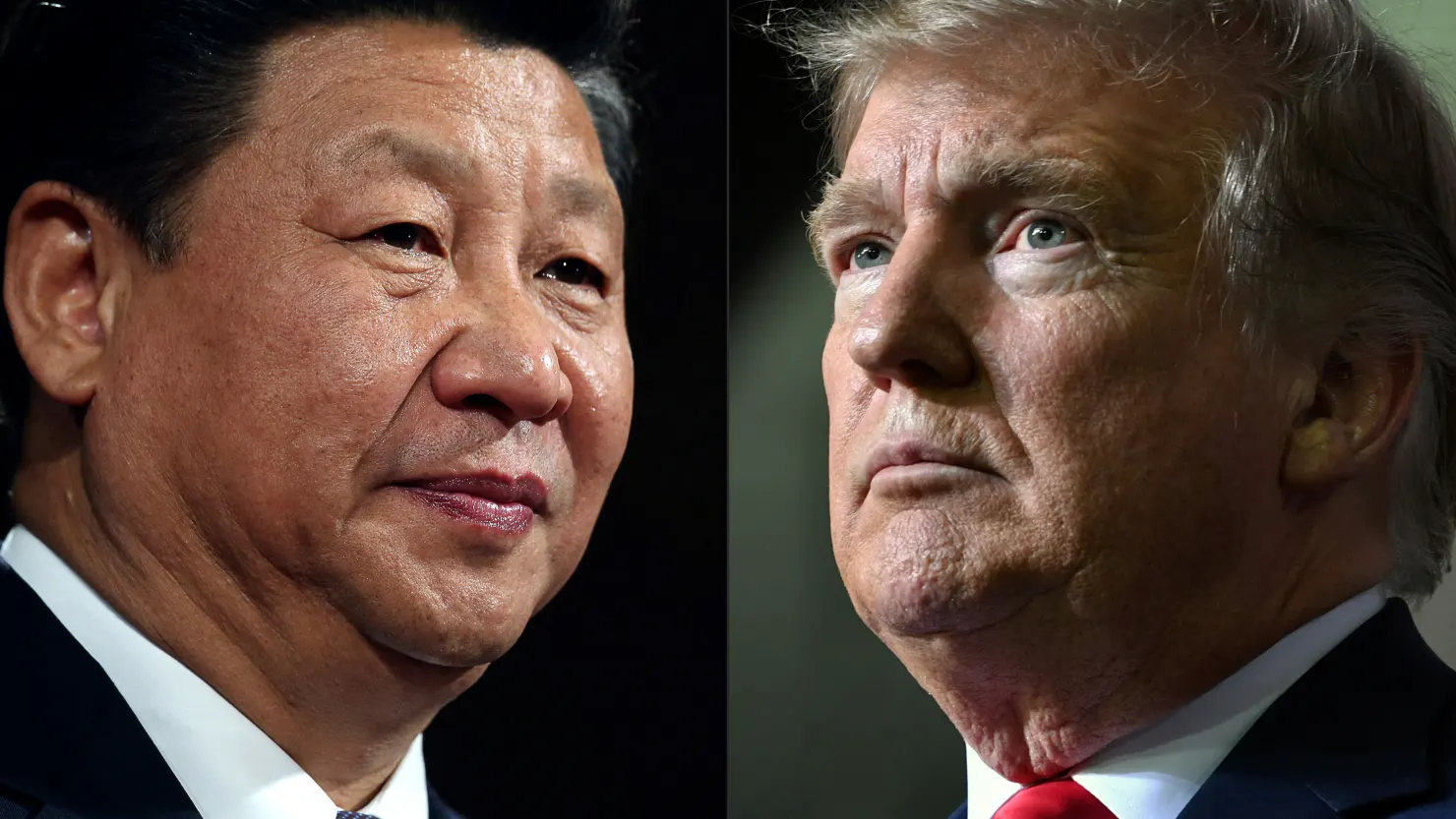
Last week, global markets ended on a downbeat note after former U.S. President Donald Trump threatened China with a new round of tariffs in response to Beijing’s latest export restrictions on rare earth minerals. These critical materials used in high-tech industries such as electric vehicles, defense systems, and semiconductors are dominated by China, which controls about 70% of the global supply. The renewed spat raised fears of another disruptive trade war that could ripple through global manufacturing and technology sectors.
However, investors appeared to regain some confidence after Trump took to Truth Social on Sunday, suggesting that tensions might not escalate, saying that trade relations with China “will all be fine.” His comments provided a modest boost to sentiment in early European trading, even as China’s Ministry of Commerce accused the U.S. of “double standards” and declared that Beijing was “not afraid” of a trade war.
Overnight, Asia-Pacific markets mostly slipped as traders reacted cautiously to the trade headlines, but U.S. futures turned positive on Sunday night, hinting at a potential rebound on Wall Street. Analysts say that investors are now looking for more clarity on whether Washington and Beijing will seek compromise or continue their tit-for-tat measures that have long weighed on global supply chains.

While Monday’s session brings few major corporate earnings or economic reports, the week ahead is expected to be active. Investors are watching for third-quarter results from European giants such as ASML, LVMH, and Nestlé, as well as key updates from the IMF and World Bank annual meetings in Washington. These discussions could provide insight into how policymakers plan to navigate slowing growth, inflation pressures, and renewed geopolitical uncertainty.
source: cnbc