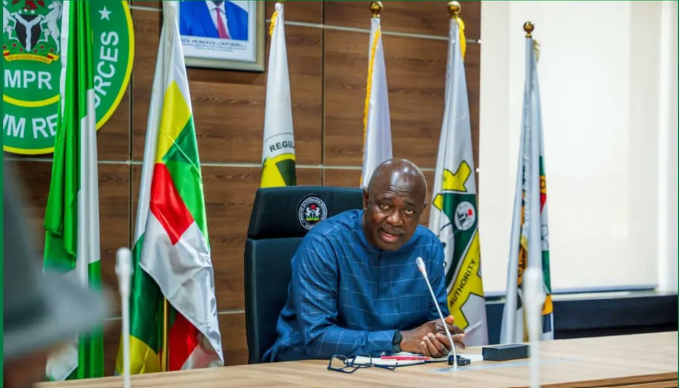
Nigeria’s oil sector is witnessing a revival after a decade of stagnation, as fresh investments pour in following sweeping reforms by President Bola Tinubu’s administration. Minister of State for Petroleum Resources (Oil), Senator Heineken Lokpobiri, announced the turnaround at the United States–Nigeria Council’s session on oil sector collaboration held alongside the UN General Assembly in New York. He said the country had “broken a 10-year drought in oil investments” and is now repositioned as an attractive destination for global energy capital.
Lokpobiri noted that the years of underinvestment crippled growth, eroded investor confidence, and left many oil blocks inactive. However, policy changes and a clearer regulatory environment are reversing the trend, with new commitments already running into billions of dollars. “All inactive blocks during the period of no investments are now up for grabs,” he said, inviting both long-standing US partners and new entrants to explore opportunities across Nigeria’s upstream and downstream segments.
At the heart of this resurgence is the Petroleum Industry Act (PIA), which Lokpobiri described as a robust, investor-friendly framework creating clarity and security for operators. Combined with the removal of fuel subsidies, deregulation of the downstream sector, and a renewed focus on gas monetisation, these reforms are restoring international confidence and making Nigeria’s fiscal regimes globally competitive. The government targets $30 billion in oil-sector investments by 2027 and at least $60 billion by 2030.
The minister assured the international community of Nigeria’s commitment to a balanced energy transition, emphasising that while fossil fuels will continue to finance the nation’s energy mix, the country remains aligned with the Paris Agreement. “Our doors are open, our laws are clear, and our environment is conducive,” Lokpobiri said. He added that Nigeria is ready to blend traditional resources with cleaner exploration practices, positioning itself as a reliable energy hub for West Africa and beyond.

Lokpobiri’s appeal to investors comes at a pivotal moment as Nigeria seeks to consolidate its oil-sector recovery and expand job creation. By leveraging both fossil fuels and renewable resources, the government hopes to sustain economic growth and strengthen regional stability. With billions already committed and reforms underway, stakeholders believe the nation’s oil industry is entering a new era defined by transparency, competitiveness, and stronger global partnerships.
source: Punch