
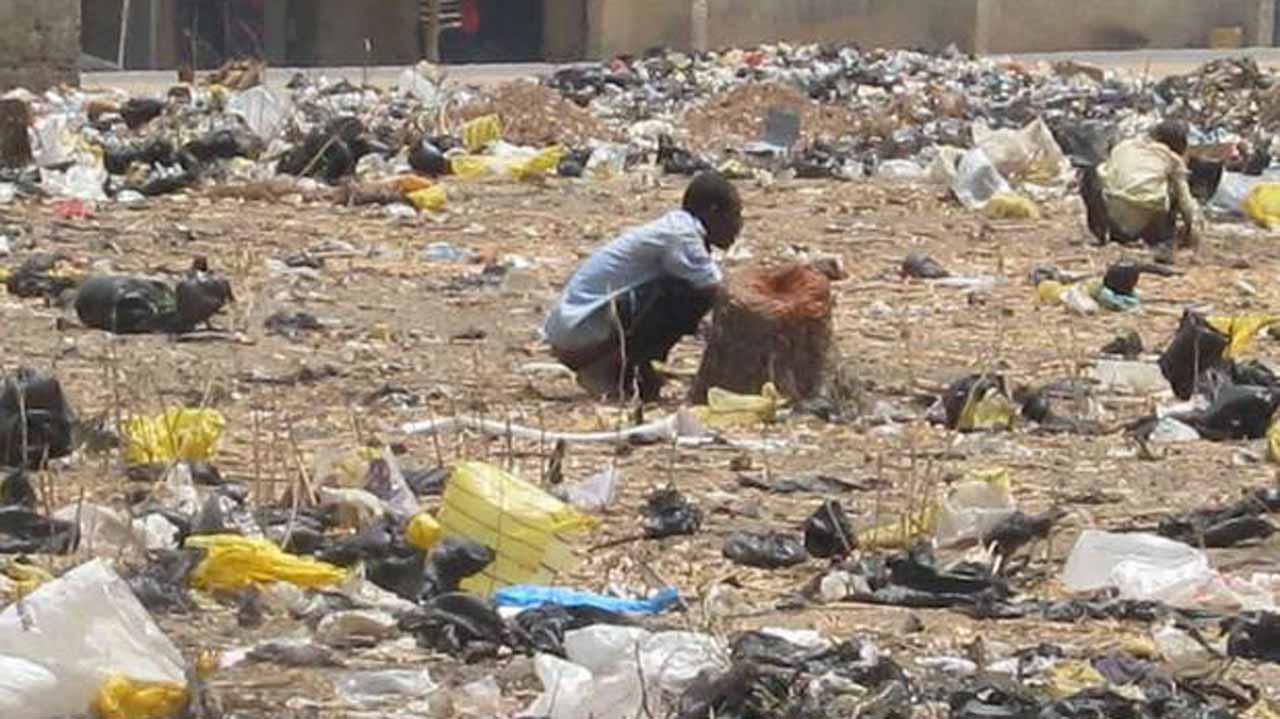
The World Bank has sounded the alarm on the growing sanitation crisis, revealing that Africa loses an estimated $200 billion every year in economic potential due to inadequate water and sanitation systems. In a new report released on Tuesday, the global lender warned that nearly two in five people worldwide still lack access to safe sanitation, a situation that threatens public health, economic growth, and environmental sustainability.
According to the report, titled “The Global Sanitation Crisis: Pathways for Urgent Action,” poor sanitation is one of the world’s most pressing development challenges. Around 3.5 billion people remain without safe sanitation facilities, fueling preventable diseases such as cholera, diarrhoea, and typhoid. These illnesses collectively claim hundreds of thousands of lives each year, especially among children under five, and keep adults away from work, undermining productivity.
In Africa, the problem is intensified by rapid urbanisation, poverty, and weak infrastructure. Many informal settlements across major cities lack sewage systems, forcing residents to rely on unsafe alternatives that contaminate water sources. The World Health Organisation notes that poor sanitation not only spreads disease but also hampers economic output by keeping children out of school and eroding household incomes.
The World Bank highlights that every US$1 invested in water and sanitation in Africa yields a US$7 return, potentially boosting the continent’s GDP by five percent. Beyond health and economic gains, resilient sanitation systems reduce methane emissions, cut pollution, and protect fragile ecosystems. Case studies from India and Brazil link improved sanitation facilities in schools to higher enrolment rates, especially for adolescent girls.

The report calls for governments, service providers, and communities to prioritise sanitation policy and funding, design climate-resilient infrastructure, and embrace circular-economy approaches such as turning waste into energy. By investing now, the World Bank argues, African countries can transform a vicious cycle of disease and economic loss into a virtuous one of healthier communities, stronger economies, and a cleaner environment.
source: punch


