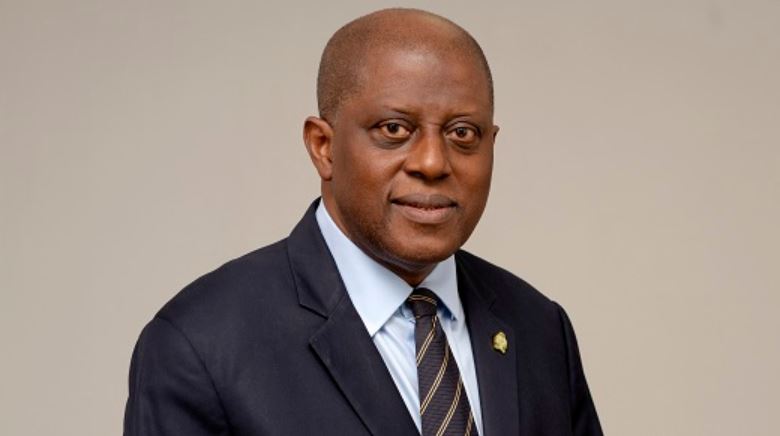
Nigeria’s economic outlook is brightening as bold monetary reforms by the Central Bank of Nigeria (CBN) stabilise the naira and restore investor trust. Under Governor Olayemi Cardoso, the apex bank has cleared a $7 billion foreign exchange backlog and moved toward a more transparent FX market. These steps are already paying off: fresh foreign capital is flowing into the country, with the latest data pointing to renewed optimism about Africa’s largest economy.
According to the National Bureau of Statistics, Nigeria attracted $5.6 billion in capital inflows in the first quarter of 2025 — a 67 per cent jump from a year earlier. Portfolio investments dominated, spurred by high yields on Treasury Bills and OMO bills, while the banking and financing sectors absorbed the bulk of the inflows. Analysts attribute the surge to CBN’s decision to unify exchange rates and clear the FX backlog, a move that reassured global funds and multinationals about profit repatriation and currency access.
Foreign investors typically weigh market size, growth potential, macroeconomic and political stability, and the ease of repatriating profits before committing capital. Nigeria ticks several of these boxes with its 220 million-strong population, growing middle class, and untapped sectors like tech, entertainment, and renewable energy. The World Bank has described the CBN’s policies as “bold interventions,” while the IMF notes that Nigeria’s sovereign risk spread is now at its lowest since January 2020 — a sign of renewed market confidence.
Governor Cardoso is also pushing for a major recapitalisation of Nigeria’s banks to meet President Bola Tinubu’s $1 trillion GDP target by 2030. Economists say this echoes the landmark 2004 banking reforms that created stronger financial institutions and helped attract global partnerships. At the same time, Nigeria is preparing to rebase its GDP, a step that could better capture the size of fast-growing sectors such as entertainment and technology and make the economy more attractive to investors.

Despite the upbeat numbers, challenges remain. Foreign direct investment is still weak at just $126 million in Q1 2025, reflecting ongoing concerns over insecurity, bureaucracy, and policy inconsistency. Analysts warn that heavy reliance on “hot money” leaves Nigeria vulnerable to global interest rate swings. To turn short-term inflows into lasting growth, experts say policymakers must improve security, strengthen the rule of law, and make it easier to do business. For now, though, the CBN’s reforms have put Nigeria back on the radar of global investors and laid a foundation for a more stable economy.
source: punch