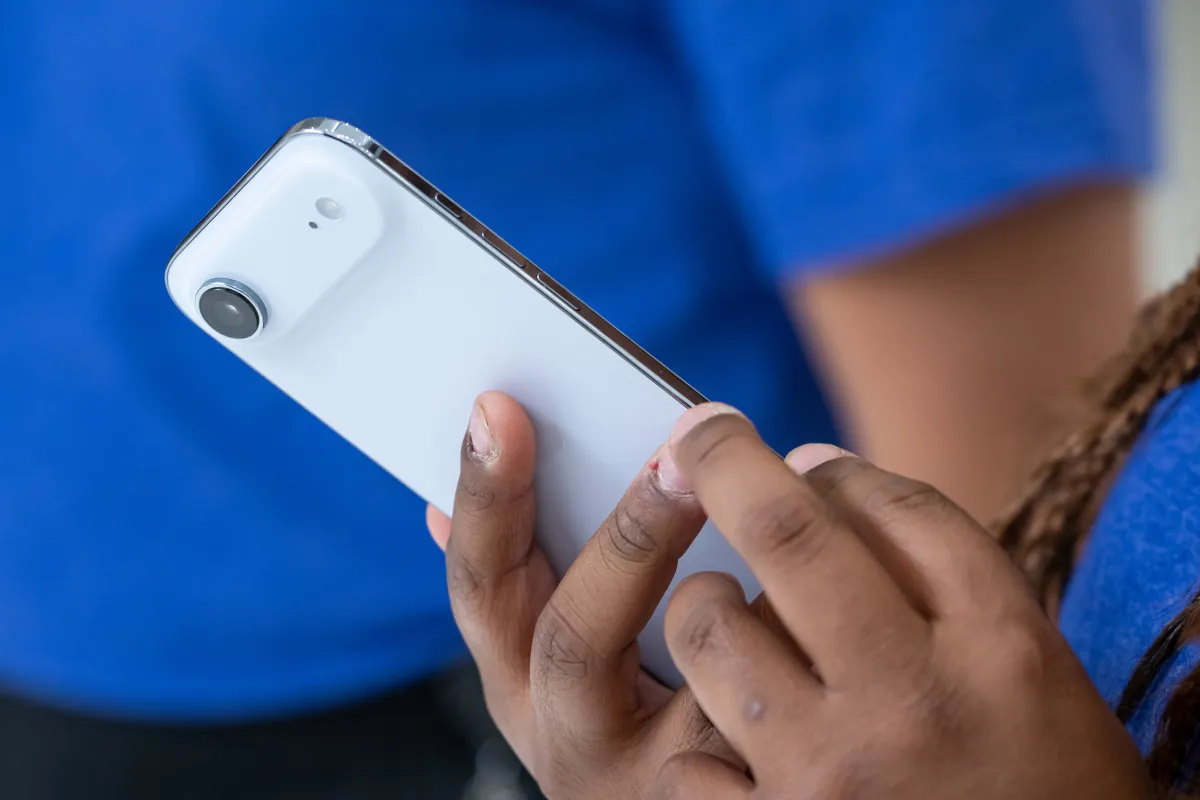
Apple’s newest iPhones are not just about flashy upgrades. Alongside the launch of the iPhone 17 and iPhone Air, the tech giant quietly unveiled a security feature called Memory Integrity Enforcement (MIE). This built-in protection targets one of the most common ways hackers, spyware vendors, and forensic firms infiltrate devices: memory corruption bugs. Experts say the move could dramatically change the economics of digital surveillance, making it harder — and more expensive — to compromise Apple’s latest devices.
Memory vulnerabilities have long been the bread and butter of spyware developers. They allow malicious code to slip into areas of a phone’s memory it shouldn’t access, enabling attackers to plant spyware or extract private data. According to Apple, MIE drastically cuts down on this attack surface by assigning secret “tags” to each piece of memory and blocking unauthorized access. If a hacker gets it wrong, the app crashes and logs the event, leaving telltale signs for Apple and security researchers to investigate.
Security professionals interviewed by TechCrunch called MIE a potential game-changer. One veteran researcher who sells zero-day exploits to government clients described the iPhone 17 as “probably the most secure computing environment on the planet that’s still connected to the internet.” Others, like Jiska Classen of Germany’s Hasso Plattner Institute, predict that some mercenary spyware vendors may temporarily run out of working exploits once the devices ship. Still, they caution, no security system is perfect and attackers will adapt over time.
Apple’s MIE builds on Arm’s Memory Tagging Extension technology, which Google has also deployed in limited ways on certain Android devices and on the privacy-focused GrapheneOS. But Apple’s control over both its hardware and software lets it push the feature system-wide by default in apps like Safari and iMessage, common entry points for spyware. Third-party developers can also adopt MIE for their own apps using Apple’s developer tools, though widespread implementation may take time.

For everyday iPhone users, the message is clear: upgrading to the newest models offers significantly stronger built-in defenses against spyware and data theft. For attackers, it means higher costs, longer development cycles and potentially fewer viable exploits. As Patrick Wardle, a longtime Apple security researcher, put it, the cat-and-mouse game isn’t over — but Apple has just made the mouse a lot harder to catch.
source: techcrunch