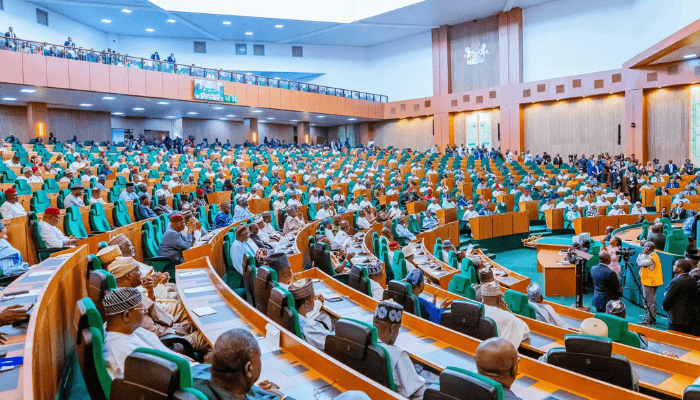
With less than four months to the end of the fiscal year, Nigeria’s Federal Government says it has executed 80 per cent of the 2024 budget, even as the implementation of the 2025 Appropriation Act remains largely on hold. Finance and Economy Minister Wale Edun disclosed this during a briefing with the House of Representatives Committee on Appropriations on Tuesday, citing delays in procurement as the main obstacle to rolling out the new budget. Lawmakers, led by Chairman Abubakar Bichi, pressed the administration to accelerate spending so citizens can feel the impact of government programmes.
Edun, flanked by Budget and Economic Planning Minister Atiku Bagudu, Budget Office Director-General Tanimu Yakubu and Accountant-General Shamsudeen Ogunjimi, said the 2024 budget was extended by the National Assembly until December and is still being implemented. He highlighted ongoing grassroots projects in irrigation and rural infrastructure as priorities, noting that “these projects that touch the grassroots must remain a priority” while procurement processes for 2025 are concluded. The minister did not provide a detailed breakdown of progress on the 2025 budget.
Data from the Budget Implementation Report, last updated for the third quarter of 2024, show a less rosy picture than Edun’s claims. Government retained revenue averaged 81 per cent of projections at N14 trillion, but capital spending lagged sharply. Total capital expenditure, including spending by government-owned enterprises and projects funded by loans, stood at just N5.86 trillion—less than 43 per cent of the N13.77 trillion earmarked. To reach 80 per cent performance, the government would need to release an additional N5.2 trillion in the final months of the year.
Overspending on debt service has further complicated the fiscal picture. By the end of the third quarter, the government had already spent N8.94 trillion on debt servicing—44 per cent above the prorated N6.2 trillion target—while also exceeding its projected domestic borrowing by N1 trillion. No external borrowing had been recorded in the same period despite a plan to raise N1.77 trillion from foreign sources. Analysts warn this heavy debt burden may have diverted funds from critical infrastructure projects.

Lawmakers, however, struck a conciliatory tone after the closed-door session, saying they were satisfied with the government’s commitment to speed up implementation. Bichi acknowledged procurement bottlenecks but expressed confidence that tangible results from both the 2024 and 2025 budgets would be visible before year’s end. “Members are seriously concerned about implementation and the ministers confirmed to us that Nigerians will soon begin to see tangible changes,” he said.
Source: the guardian