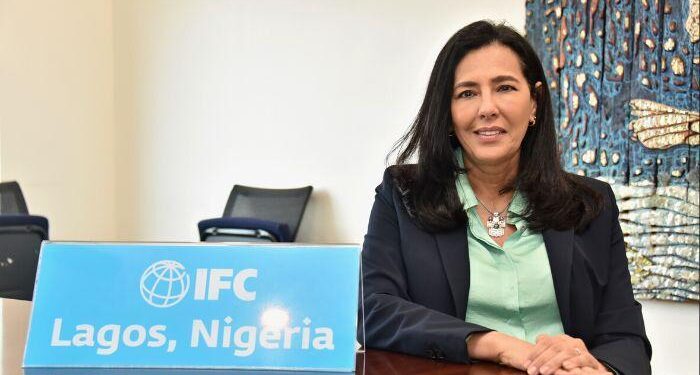
African businesses are grappling with technology costs up to 35% higher than their global counterparts, the International Finance Corporation (IFC) has revealed. Speaking at GITEX Nigeria 2025 in Lagos on September 3, Dahlia Khalifa, IFC’s Regional Director for Central Africa and Anglophone West Africa, highlighted the urgent need for investment in digital infrastructure to close this gap.
Despite widespread access to mobile phones and the internet, 86% of firms reportedly have connectivity, many African businesses are not fully leveraging these tools. Khalifa cited inadequate infrastructure, gaps in digital literacy, and limited financing as major hurdles slowing technology adoption across the continent.
The potential upside, however, is significant. According to IFC’s recent report, Digital Opportunities in African Businesses, digital transformation could benefit over 600,000 formal businesses and 40 million micro-enterprises. This could lead to higher productivity, better wages, and the creation of quality jobs across Africa.
IFC is calling for stronger collaboration between governments, the private sector, and international partners to mobilize capital, foster trust, and implement enabling policies. Khalifa stressed that reliable broadband, robust data centers, modern digital infrastructure, clean energy, and skills development are essential to ensure sustainable growth in Africa’s digital economy.

Over the past decade, IFC has invested more than $6 billion in Africa’s digital infrastructure, supporting projects in data centers, fiber networks, and affordable broadband. In 2024 alone, over $1 billion was invested in connectivity, including Nigeria’s Raxio Group data center and WIOCC’s fiber expansion. IFC is also fueling entrepreneurship, backing over 100 startups in fintech, health tech, edtech, and e-commerce, including Trade Depot, Andela, and Wave Mobile Legend, helping to create jobs and expand digital services across the continent.
Source: Nairametrics