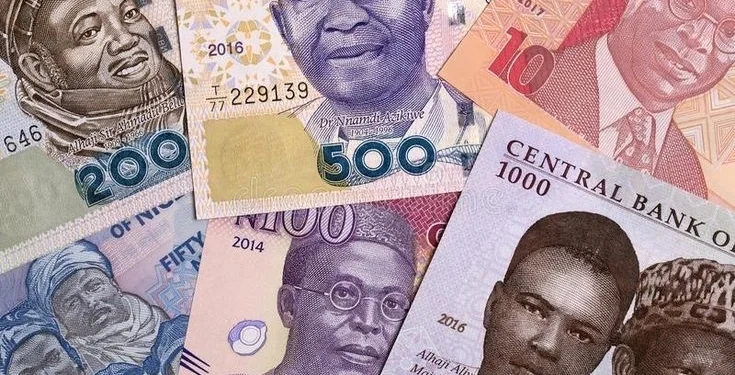
Nigeria’s foreign exchange market is witnessing new dynamics as Chinese traders increasingly accept naira for yuan transactions instead of demanding U.S. dollars. Forex traders attribute this shift, alongside the rise of peer-to-peer (P2P) currency exchanges, to the relative stability of the naira in recent weeks. By bypassing the dollar, Nigerian importers doing business with Chinese partners are reportedly experiencing smoother transactions and reduced currency pressure.
The development is tied to Nigeria’s currency swap agreement with China, first signed in 2018 and renewed in December 2024 for $2 billion. The deal allows the Central Bank of Nigeria (CBN) and the People’s Bank of China (PBoC) to provide liquidity in naira and yuan, enabling businesses in both countries to settle trade directly without converting to the dollar. China, Nigeria’s largest trading partner, accounted for imports worth over ₦14 trillion and exports exceeding ₦3 trillion in 2024, making the swap agreement crucial for bilateral trade.
According to Aminu Gwadebe, President of the Association of Bureau De Change Operators of Nigeria (ABCON), this trend is already visible in the market. “The Chinese are now collecting naira for yuan, doing P2P. If a Nigerian is importing from China, all he needs is yuan—there’s no need for dollars anymore,” he explained, noting that the arrangement has eased pressure on the local currency. He added that P2P platforms are also helping individuals bypass intermediaries such as banks and money changers, further stabilizing forex flows.
However, not all traders believe the swap deal has a significant impact on day-to-day forex operations. A Lagos-based trader, Yusuf, noted that many Nigerian businesses still prefer dollars since they remain more widely accepted internationally. “Even Chinese suppliers often ask for dollars, not naira or yuan. While the swap helps formal trade, its effect on the black market is minimal,” he said. He also highlighted that yuan remains less liquid compared to dollars, pounds, or euros, limiting its everyday usability in Nigeria.

Despite these concerns, analysts agree that the currency swap arrangement reduces Nigeria’s dependence on the dollar, at least for trade with China, and could help strengthen reserves while cutting transaction costs. With imports from China making up about 20% of Nigeria’s annual imports, the deal may not solve dollar shortages entirely, but it represents a strategic step in diversifying forex demand and shielding the naira from extreme volatility.
Source: Nairametrics