
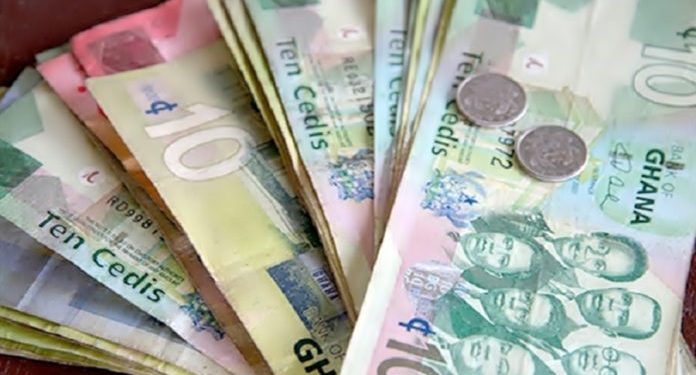
Ghana’s cedi has strengthened in 2025, supported by fiscal discipline and progress in debt restructuring, according to the World Bank’s 9th Ghana Economic Update. The Bank noted that the currency’s rebound reflects improving macroeconomic fundamentals, with inflation easing significantly after years of high pressure. Headline inflation fell to 12.1% in July 2025, the lowest level since October 2021, marking seven consecutive months of decline and bolstering investor confidence.
The World Bank attributed the gains to spending restraint and the enforcement of new fiscal rules in the first half of the year. Debt restructuring efforts have also provided relief, with Ghana completing a Eurobond exchange in late 2024 and securing a memorandum of understanding (MoU) with official creditors in January 2025. In a major step, Ghana signed a bilateral debt relief agreement with France on July 25, formalizing progress in its external debt restructuring programme.
While negotiations with commercial creditors are still ongoing, the Bank said Ghana is on a positive trajectory. The external sector has added momentum, with rising gold exports, robust remittances, and stronger foreign direct investment (FDI) flows helping push the current account into surplus and rebuild foreign reserves. These developments have further supported the cedi’s stability in the forex market.
Despite the positive trends, the World Bank cautioned that Ghana’s economic recovery faces challenges. It projects GDP growth to slow to 3.9% in 2025 due to fiscal consolidation measures, before recovering to around 5% by year 2028, driven by private consumption, remittance inflows, and new oil production. The Bank emphasized that sustaining the recovery will require consistent revenue mobilisation and tighter expenditure controls.

The report also flagged structural weaknesses in state-owned enterprises, highlighting COCOBOD and the Electricity Company of Ghana (ECG) as areas needing urgent reform. According to the World Bank, maintaining fiscal discipline, deepening reforms, and ensuring transparency in state enterprise operations will be key to keeping investor confidence high and sustaining Ghana’s growth momentum.
Source: Citi newsroom


