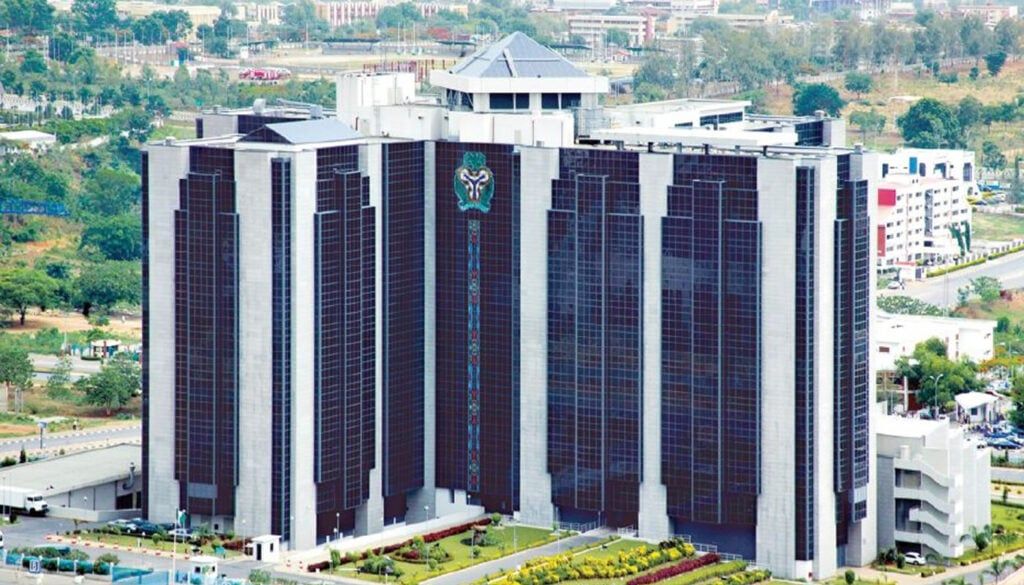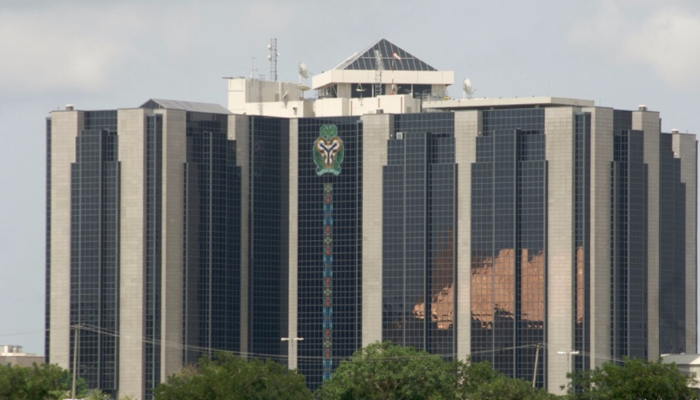
Nigeria’s largest listed companies are facing a costly paradox: they are paying sharply higher interest on loans even as they reduce their overall debt. A combination of persistent high inflation, tighter monetary policy, and rising borrowing costs has made debt servicing one of the most expensive line items on corporate balance sheets. The Central Bank of Nigeria (CBN) has maintained a steep Monetary Policy Rate of 27.5% as of July 2025, keeping naira-denominated loans at multi-decade highs.
An analysis of ten major companies across sectors like cement, oil and gas, and consumer goods shows that aggregate interest expenses jumped 31% year-on-year in H1 2025, rising from N411 billion to N538.5 billion, despite total borrowings falling nearly 10% to N6.49 trillion. Heavyweights such as BUA Cement saw interest costs surge 250% even as debt fell slightly, while Seplat Energy’s finance costs more than doubled after cutting debt by 20%. Dangote Cement, Nigeria’s most leveraged company in the sample, experienced a 65% increase in interest expenses.
The rising cost of borrowing has created pressure on companies’ ability to cover debt obligations. Interest coverage ratios, which measure the ability to meet interest payments from profits, fell across the board—from 24 times to 17 times year-on-year—though most remain above critical thresholds. Dangote Cement, Seplat, and BUA Cement saw declines but stayed above the caution level, while Nigerian Breweries dropped below the safety zone, and Dangote Sugar remains under severe strain with earnings covering just 59% of its interest bill.
Despite rising financing costs, several companies have demonstrated strong cash flow and profitability. MTN Nigeria reversed a N518 billion loss in H1 2024 to post a N415 billion profit in 2025, with operating cash flow nearly doubling. Dangote Cement’s profit more than doubled to N520 billion, while Seplat’s cash generation surged despite a dip in profit. Consumer goods firms, including Nestlé and BUA Cement, also showed robust recoveries, highlighting the resilience of strong cash generation in mitigating expensive debt.

With no signs of an imminent CBN rate cut, high borrowing costs are likely to persist through 2025. Relative stability in the foreign exchange market has limited FX-related losses, but naira-denominated debt remains punishing. For Nigeria’s capital-intensive firms, the key to sustaining margins will lie in disciplined capital allocation, debt efficiency, and robust cash generation. In today’s high-rate, high-inflation environment, managing the cost of money is not just a macroeconomic challenge—it is a critical competitive battleground.
Source: Nairametrics