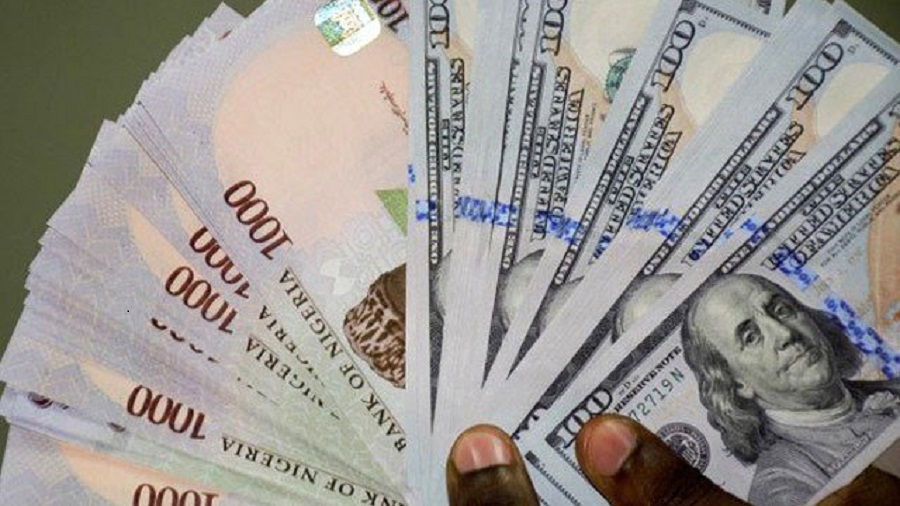
The Nigerian naira experienced a mixed performance last week, with marginal gains in the official market but losses in the parallel market. At the National Foreign Exchange Market (NFEM), the naira appreciated slightly by 0.01% to close at ₦1,533.57 per US dollar, compared to ₦1,533.74 the previous week. However, in the parallel market, the currency weakened by 0.52% to average ₦1,545 per dollar. Analysts attributed the drop in the unofficial market to heightened demand for foreign currency amid tight liquidity.
According to Aminu Gwadabe, President of the Association of Bureau De Change Operators of Nigeria, liquidity remains the primary challenge in the FX market, worsened by seasonal travel and increased business needs. He noted that while the spread between official and parallel market rates had recently narrowed, it now appears to be widening again. This comes as Nigerian banks recently reinstated the use of naira debit cards for international transactions, reversing a 2022 suspension.
Financial analysts from Cowry Asset Management expect the naira to sustain marginal gains in the coming week, supported by the Central Bank of Nigeria’s (CBN) continued market interventions. Although global oil price volatility and trade tensions could pose risks, the apex bank’s liquidity injections are anticipated to cushion sharp depreciation at the official window. AIICO Capital also credits the naira’s improved performance to the CBN’s recent clearance of outstanding FX forward contracts.
The CBN last week announced the completion of a forensic audit into FX forward contracts, revealing multiple irregularities. These include mismatched company names, inflated sales values, non-permissible imports, and transactions without proper documentation. The apex bank indicated that all valid claims have been settled and signaled possible legal action against companies found to have violated regulations.

With the forensic audit concluded, the CBN declared the issue of undelivered forward contracts closed. Analysts believe these policy refinements, coupled with stricter oversight, will support near-term stability in Nigeria’s foreign exchange market. However, they caution that external economic shocks and persistent high demand for dollars could keep the naira under intermittent pressure in the months ahead.
Source: Punch