As cyberattacks surge in Nigeria, global tech giant HP has unveiled a range of artificial intelligence (AI)-powered cybersecurity tools to help businesses—both large and small—combat the rising tide of digital threats. Yesh Surjoodeen, HP’s Managing Director for Southern Africa, highlighted that cybercrime is no longer limited to multinationals, with Nigerian financial institutions, manufacturers, and government agencies now facing persistent digital threats. The financial and operational consequences of these breaches can be immense, often running into millions of naira in costs related to legal services, IT system restoration, and public relations crises.
A recent report by cybersecurity firm Kaspersky ranked Nigeria among the top five countries in the Middle East and Africa affected by ransomware, with 17.5% of users—mainly small and mid-sized businesses—reporting web-based attacks. Many of these businesses operate with limited cybersecurity knowledge or resources, making them easy targets. This vulnerability is particularly concerning as Nigeria expands its digital economy, creating more entry points for cybercriminals using increasingly sophisticated tactics.
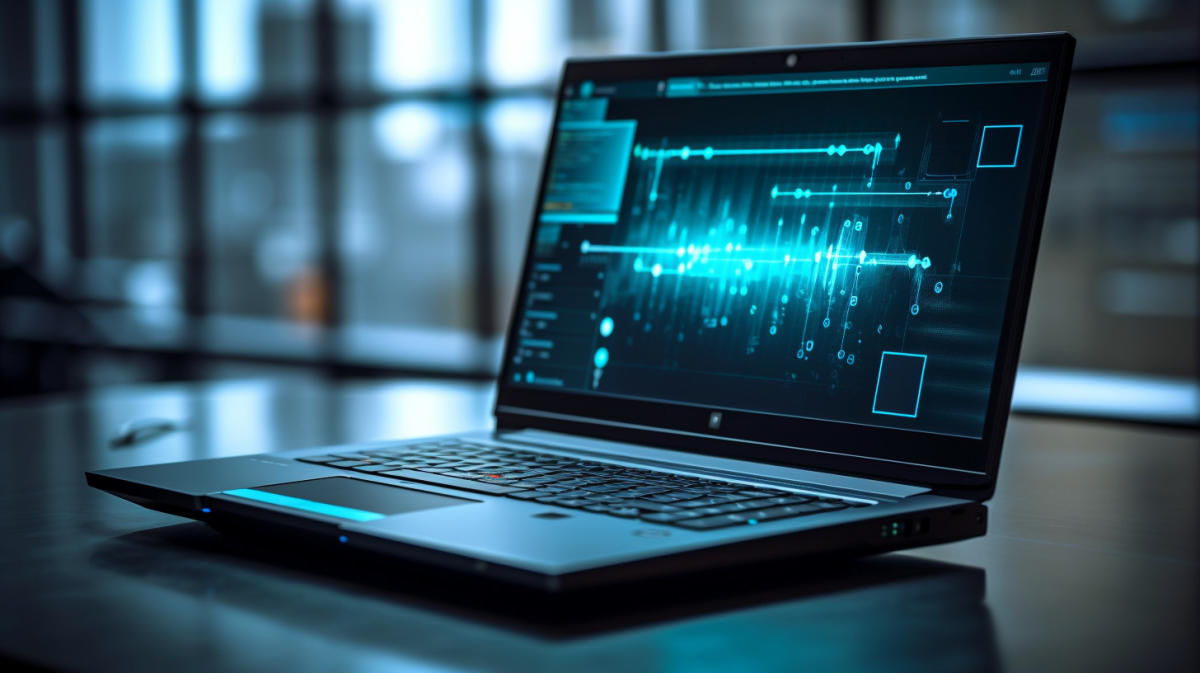
HP’s response to this crisis includes embedding AI threat detection systems directly into its devices. These tools monitor user behavior and network activity to detect anomalies and adjust access protocols accordingly, such as tightening login security after failed attempts. According to Surjoodeen, the same AI that hackers use to engineer threats can now be used by IT providers to preemptively defend systems, with HP remediating over 11 million IT issues globally each month.
The company has also integrated its HP Wolf Security suite across its product lineup, providing devices with built-in encryption, secure boot processes, and advanced threat detection. These features form part of HP’s Workplace Experience (WXP) platform, which combines AI and analytics to predict performance issues, improve device health, and enhance user support through centralized dashboards. Tools like Fleet Explorer, powered by natural language processing, help IT managers diagnose and resolve performance bottlenecks swiftly.

HP’s efforts align with broader industry warnings about the growing severity of cyberattacks. Deloitte’s 2025 report on Nigeria’s cybersecurity landscape stressed that no sector is immune, and that proactive investments in intelligent security solutions are urgently needed. As Nigeria continues its digital transformation, HP believes organizations equipped with predictive and AI-driven cybersecurity tools will be better prepared to defend against future threats. “With the right tools, Nigerian enterprises can lead in the fight against cybercriminals,” Surjoodeen concluded.
Source: Guardian