Intra-African trade rose significantly by 12.4% in 2024 to reach $220.3 billion, up from $196.04 billion in 2023, according to the latest African Trade Report by Afreximbank. This sharp recovery followed a previous contraction of 5.9% and was largely fueled by improved economic performance in South Africa, Nigeria, and Congo. The report signals a positive shift in the continent’s trade dynamics amid ongoing global economic challenges.
South Africa retained its position as the top intra-African trading nation, contributing $42.14 billion—almost 20% of the total trade on the continent. Nigeria followed with $18.43 billion, while Congo, Mali, Egypt, and Côte d’Ivoire also recorded significant contributions. The uptick reflects increased production, regional collaboration, and stronger trade infrastructure in key African economies.
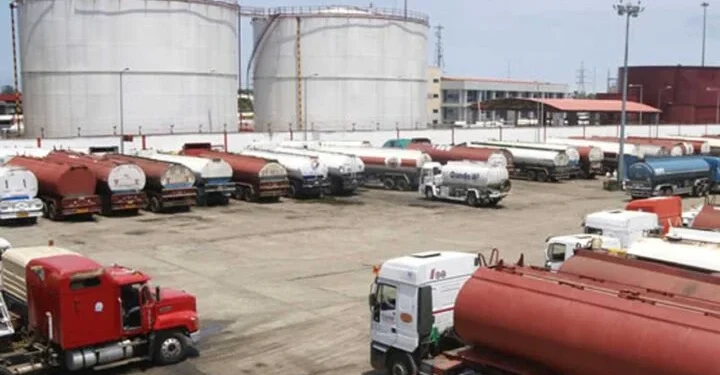
Nigeria saw its intra-African trade nearly double from $8.1 billion in 2023 to $18.4 billion in 2024, marking it as West Africa’s top regional trader. This surge was driven by crude oil exports and a rise in refined product exports following the operational launch of the Dangote Refinery. The refinery has already begun supplying petroleum products to neighboring countries like Cameroon.
The report highlighted the broader implications of this trade resurgence, with Afreximbank’s Chief Economist, Dr. Yemi Kale, pointing to the African Continental Free Trade Area (AfCFTA) as a driving factor. He emphasized that despite inflation and sovereign debt risks, Africa’s trade resilience demonstrates the early benefits of economic integration.

However, Africa still accounts for just 3.3% of global exports. The report calls for a strategic move away from raw commodity dependence and toward industrialisation to deepen integration into global value chains and unlock greater intra-African trade potential. This transition, experts say, is key to long-term continental growth and global competitiveness.
Source: Vanguard