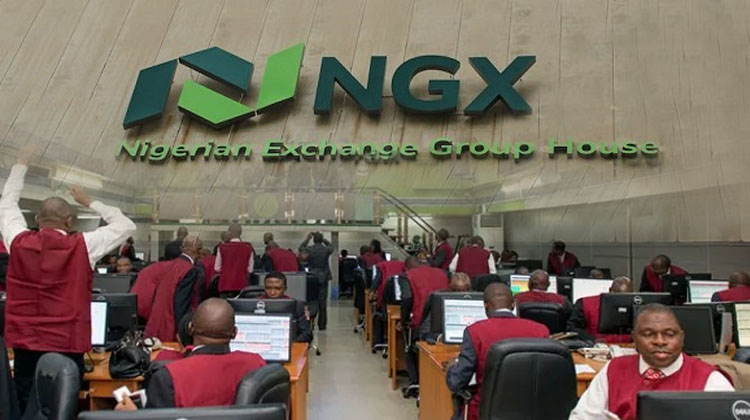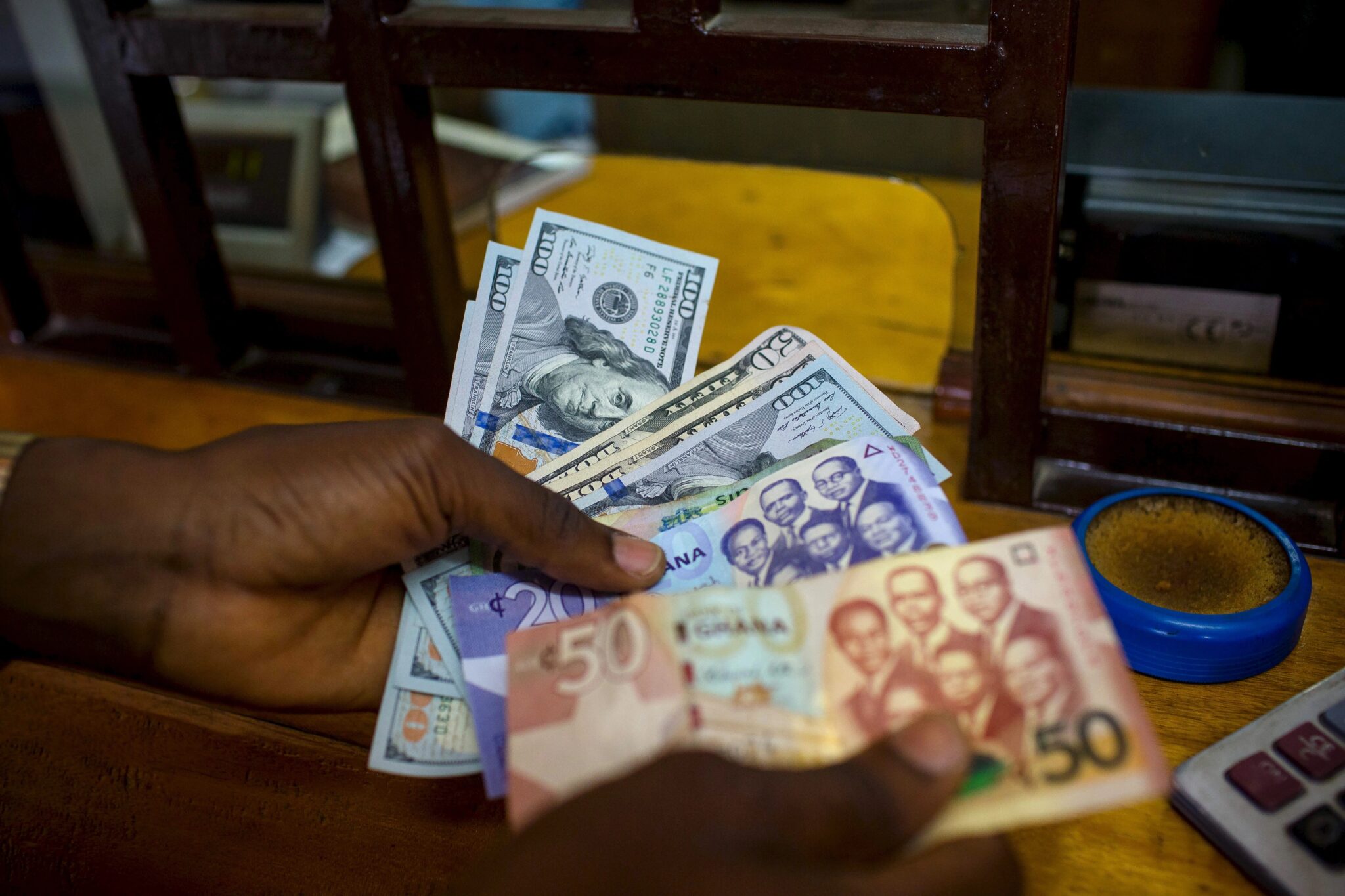
Nearly half of Africa’s currencies depreciated in May 2025, revealing a mixed macroeconomic picture across the continent, according to the latest report from the African Export-Import Bank (Afreximbank). The June edition of the “Monthly Developments in the African Macroeconomic Environment” attributed this decline to global economic uncertainties and domestic fiscal pressures, even as some countries continued to implement reforms and record steady development. Ten countries experienced notable depreciation in their currencies, while others like Ghana, South Africa, and Namibia showed relative gains or stability.
Despite an overall volatile currency environment, Nigeria’s naira appreciated by 2.1% month-on-month against the U.S. dollar, although it was still down 11.5% year-on-year. Ghana’s cedi, however, fell sharply by 21.5% in May alone and 10.6% year-on-year, trading at 10.3 cedis to the dollar compared to 13.9 last year. South Africa’s rand appreciated slightly to 17.8 rand per dollar but was still marginally weaker compared to May 2024. These fluctuations highlight the fragile state of African currencies amid ongoing structural and external challenges.
Africa’s trade volume also reflected some signs of strain. Total trade fell to $120.8 billion in February 2025 from $125.9 billion in January, although it showed a slight year-on-year rise of 0.3%. Intra-African trade mirrored this trend, slipping to $18 billion from $18.6 billion in January. However, this still marked a 5.6% increase compared to February 2024, pointing to the growing influence of regional integration initiatives like the African Continental Free Trade Area (AfCFTA).
On the positive side, several African countries witnessed credit rating upgrades driven by improved fiscal discipline and governance reforms. Nigeria received upgrades from both Fitch and Moody’s, prompting a decline in its Eurobond yields by 250 basis points. Ghana, which had defaulted in 2024, was upgraded to CCC+ by S&P after restructuring its Eurobonds and strengthening its fiscal position. South Africa retained its BB- rating but was warned to address its sluggish economic growth and fiscal imbalances.

Afreximbank concluded that while Africa’s macroeconomic outlook remains broadly resilient due to reforms and stable credit fundamentals, the continent remains vulnerable to global headwinds such as inflation risks, tighter financial conditions, and geopolitical tensions. The report stressed the need for African governments to bolster policy buffers and speed up structural transformation to sustain growth and shield against external shocks. Despite notable gains, disparities across regions and exposure to commodity price swings remain key risks going forward.
Source: The sun