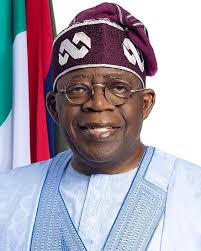
In his first two years in office, President Bola Tinubu has embarked on a sweeping wave of economic reforms aimed at resetting Nigeria’s fragile economy. Key among these were the removal of the fuel subsidy and the unification of exchange rates. These measures, hailed by international financial institutions as necessary, triggered inflation, fuel price hikes, and widespread hardship for Nigerians. While the reforms are seen as the bitter pills needed for future stability, the immediate impact has tested the patience and resilience of citizens and businesses alike.
The banking sector, heavily impacted by currency devaluation and FX market liberalization, has undergone major adjustments. Several banks initially reported foreign exchange losses but later capitalized on digital services and recapitalization moves encouraged by the Central Bank of Nigeria (CBN). Despite inflationary pressures and tight monetary policy — with the Monetary Policy Rate raised to 27.5% — many top-tier banks continue to post strong profits. However, higher borrowing costs have stifled small businesses, highlighting uneven access to financial support.
Tinubu’s economic strategies have helped attract renewed interest from foreign investors, marked by a successful Eurobond issuance and modest capital inflows. The CBN cleared a $7 billion FX backlog and posted a rare surplus, mostly from FX revaluation gains. Nonetheless, exchange rate instability and weak oil revenues continue to pose risks. Analysts argue that for the reforms to have lasting impact, structural constraints such as poor export capacity and high import dependency must be addressed.
On the productivity front, Nigeria’s GDP growth remains sluggish, hovering around 2.5%–3.1% — just below population growth. While sectors like digital finance and agriculture have shown resilience, others such as manufacturing lag due to high operational costs and infrastructural deficits. Socially, the reforms have led to rising poverty levels and public dissatisfaction. The newly approved minimum wage of ₦75,000 offers some relief, but high unemployment and youth unrest underline the disconnect between policy goals and lived realities.

Despite economic pains, the digital sector has been a bright spot, with fintech innovations, mobile banking, and crypto trading gaining traction. Experts urge that for the gains of Tinubu’s bold policies to materialize, stronger policy coordination, execution, and inclusive governance are essential. As Nigeria moves into the second half of Tinubu’s term, the reforms’ true test lies in whether they can transition the nation from turbulence to tangible prosperity.
Source: The sun