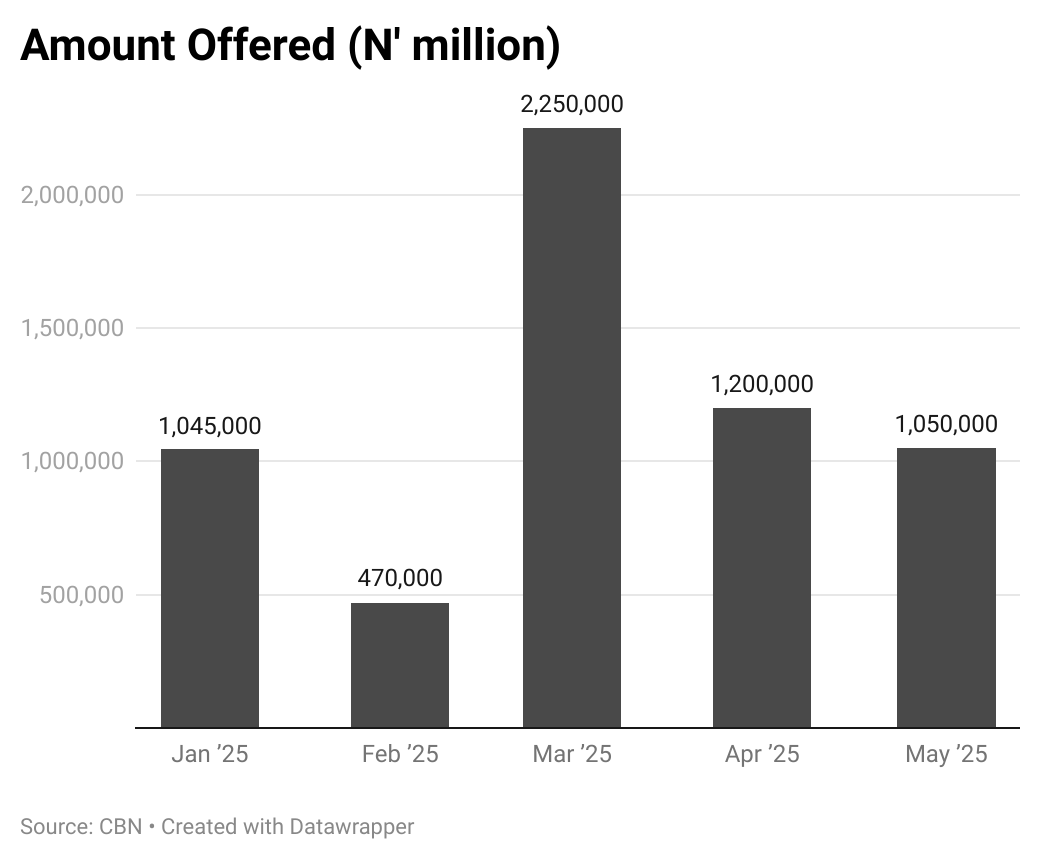
The Nigerian naira is expected to remain relatively stable in the near term, supported by the Central Bank of Nigeria’s (CBN) interventions and a recent uptick in foreign reserves. Analysts from Cordros reported a 1.1% appreciation in the naira last week, reaching N1,585/$, largely driven by the CBN’s sale of $190.4 million. While the official rate strengthened to N1,580.44/$ by Friday, the overall sentiment suggests that significant currency gains remain unlikely due to lingering global uncertainties and limited foreign portfolio inflows.
The naira’s performance in the parallel market reflects similar stability, trading at N1,610/$ on Monday, a N5 gain from Friday’s rate. Market participants noted a reduced demand for dollars, attributing it to more cautious behavior from buyers and the visible impact of CBN policies. Street trader Abubakar remarked that the urgency to purchase dollars has calmed, indicating improved confidence in the market.
Nigeria’s foreign reserves have continued their upward trend, rising by $166.63 million to $38.54 billion as of May 21, 2025. Afrinvest Securities observed a 0.6% week-on-week increase in reserves, interpreting it as a sign of improving economic fundamentals. They remain cautiously optimistic, projecting that the naira will maintain current levels barring any shocks. Despite short-term steadiness, analysts highlight the currency’s long-term depreciation—over 91% since 2009.
CBN Governor Olayemi Cardoso emphasized the long-term benefits of having a competitive currency, noting that current reforms aim to ensure currency stability and stimulate export growth. He also reiterated the CBN’s dedication to inflation control and policy consistency, stating that improving investor confidence and maintaining financial system stability are central to the bank’s strategy.

Recent data shows a notable strengthening of Nigeria’s net foreign exchange reserve, which rose to $23.11 billion at the end of 2024—the highest in over three years. Gross external reserves also increased significantly to $40.19 billion. Cardoso credited these gains to focused policy interventions, asserting that Nigeria is beginning to reap the benefits of its efforts to rebuild economic resilience and restore trust in its monetary framework.
Source: Business day