The Dangote Petroleum Refinery has strongly countered accusations from oil marketers that it cannot meet Nigeria’s fuel demand. This controversy was sparked after Aliko Dangote blamed powerful vested interests and a so-called “cabal” of fuel importers for resisting the success of his $20bn refinery. In response, DAPPMAN’s Executive Secretary, Olufemi Adewole, denied the existence of a cabal, but acknowledged that private depot owners are simply trying to safeguard their multibillion-naira investments by continuing fuel importation. He further argued that Dangote’s refinery has not been able to adequately supply even the current, reduced national fuel requirements.
But Dangote officials insist otherwise. They maintain that the refinery, with its massive 650,000 barrels per day capacity, is supplying the local market adequately and exporting surplus to other African countries. They also argue that Nigeria’s actual fuel consumption has historically been misrepresented, especially during the subsidy era, to support fuel importation. The officials added that the refinery is producing and distributing millions of litres daily and has enough reserves to supply the country for extended periods. They say the narrative that the refinery cannot meet demand is part of a larger pushback from importers who feel threatened by a growing local production capacity.
The issue of pricing has also added fuel to the fire. DAPPMAN accused Dangote of undercutting the market by slashing prices after distribution, which they claim has left many marketers absorbing huge losses. Dangote’s team responded by saying such marketers were only concerned about profits and had benefitted from round-tripping and inflated subsidies in the past. They reiterated that their operations are focused on transparency, efficiency, and putting Nigerians first—unlike those who manipulate pricing systems for personal gain.
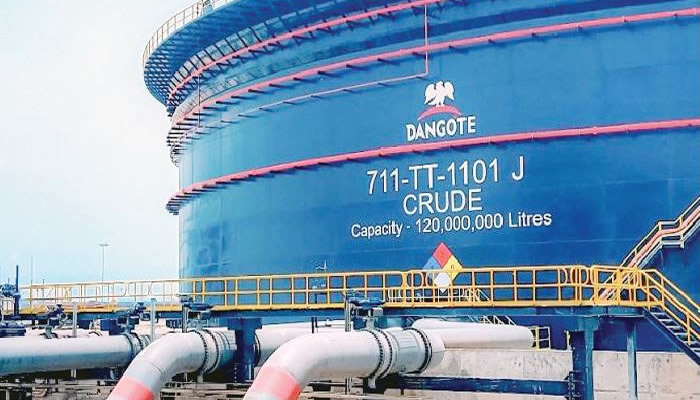
On the operational front, data from the refinery shows strong production and storage capabilities. The refinery reportedly produces 57 million litres of petrol, 20 million litres of jet fuel, and 37 million litres of diesel daily, with national consumption far below this output. Storage tanks are in place to hold billions of litres, giving the refinery the logistical strength to sustain long-term supply both locally and for exports. Despite this, conflicting statements from regulatory bodies like the NMDPRA and individual officials have made it difficult to determine Nigeria’s true daily fuel consumption and import dependency.

Ultimately, the tension between Dangote’s refinery and fuel marketers highlights deeper structural issues within Nigeria’s downstream petroleum sector. As the country transitions from fuel importation to refining its own products, vested interests, misinformation, and regulatory inconsistencies are creating friction. Still, Dangote remains confident that the refinery will prevail and redefine Nigeria’s fuel economy. “We’re fighting,” he said, “and I am 100 per cent sure I will win.”
Source: Punch