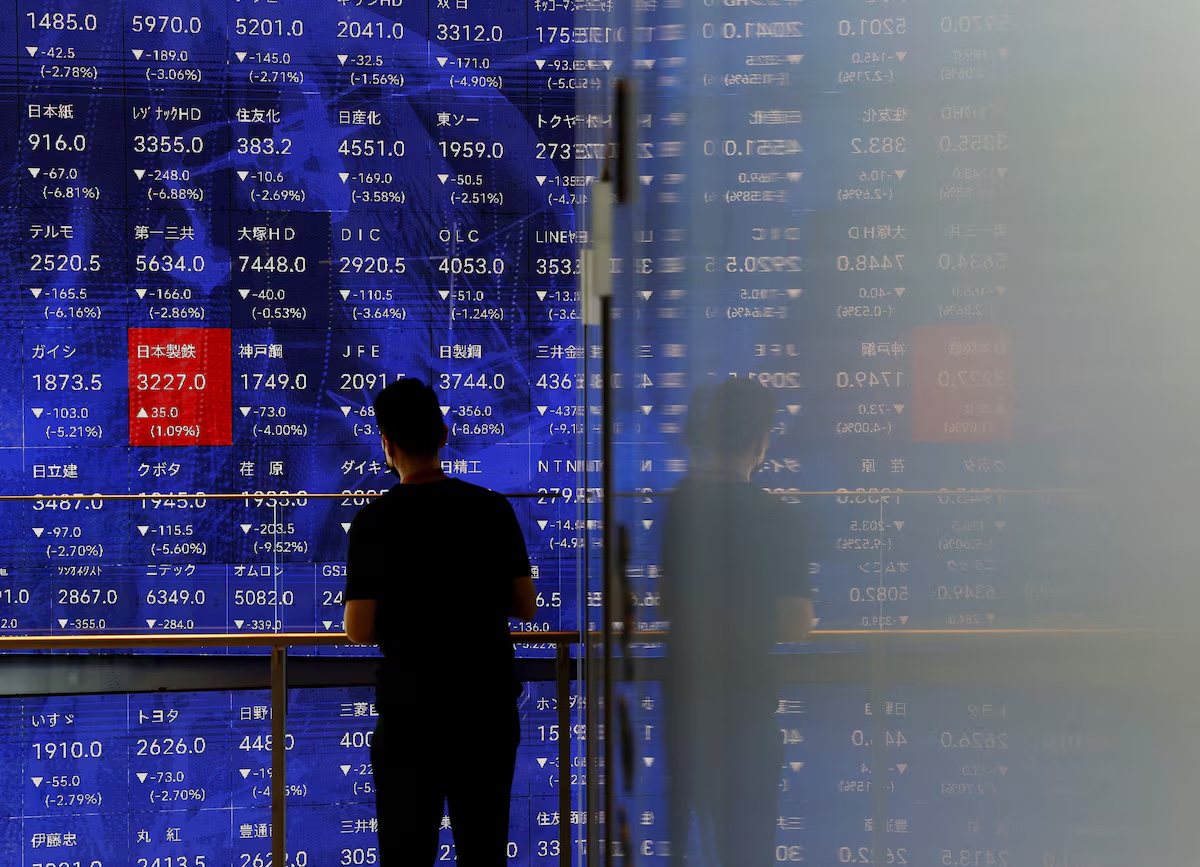
U.S. Treasuries experienced significant losses as a global market rout was sparked by the imposition of high U.S. tariffs, leading to forced selling and a rush for cash. The 10-year U.S. Treasury yield soared above 4.5%, and the 30-year yield surpassed 5%, marking its highest levels since 1981. As markets were roiled by these moves, hedge funds unwound “basis trades,” where they had borrowed money to bet on small price differences between Treasuries and futures contracts. Analysts noted that the current market behavior was more about liquidity issues than fundamentals, signaling a broader panic.
Key Market Developments:
Bond market dislocation extended beyond U.S. assets to international markets, with Japan’s 30-year government bond yield rising to its highest levels in 21 years. A sudden surge in volatility prompted Japan’s central bank and finance ministry to hold an emergency meeting, temporarily easing some of the extreme selling pressures. The selloff also resulted in the U.S. dollar weakening against the euro, yen, and Swiss franc, signaling a wider global impact of the tariff-induced market shock.
Hedge Funds at the Core of the Selloff:
Hedge funds were largely responsible for the surge in selling activity. These funds were heavily invested in basis trades, which involve using borrowed money to profit from small differences in prices between cash Treasuries and futures. As their positions became unmanageable due to market volatility, they were forced to sell their holdings, exacerbating the bond rout. The selling pressure created a sharp divergence between Treasury yields and swap rates, with the 10-year gap hitting a record 64 basis points.

Long-Term Concerns and Strategic Shifts:
The panic in the bond market has sparked concerns that the U.S. Treasury market may no longer retain its status as the world’s primary safe-haven investment. Strategists are debating whether the global trade shift, especially in light of escalating U.S. tariffs, might reduce foreign demand for U.S. debt or even lead to selling by major foreign holders like China. Analysts warn that the current selloff could mark the beginning of a fundamental change in the global fixed-income market, with potentially severe long-term implications for global financial stability.
Source: Reuters